Friday, June 6, 2014

Behalotecha 2014

Rabbi Philip Weintraub
Congregation Agudas Israel
June 7, 2014
Ploni’s Bar Mitzvah/Parshat Behalotecha

Today is a beautiful day.  Thankfully the weather seems to agree, but today is not beautiful because of the sunshine.  Today is beautiful because of the people in this room, because of the words that have been said, the words that will be said and the Torah that we read.

Whether you were in this room or any synagogue anywhere in the world, someone would be reading from the Torah.  They would not be reading from any random spot, but rather starding their reading from chapter 8 of the book of Bamidbar, the book of Numbers.  Can you imagine, that at the same time as Ploni was reading from this Torah, Jewish men and women, girls and boys were taking a yad, a pointer, and reading the same words, with the same melodies all around the world.  When Ploni picked up that pointer today, he took hold of his and our Jewish tradition.  He bound himself to a chain stretching back to Moses, stretching back to Abraham, stretching back to Adam and Havvah, to Adam and Eve.

In our reading this morning, I started with one the classic lines of the Torah.  Gd spoke to Moses saying.  It continues with the description of the Menorah in the Temple.
א  וַיְדַבֵּר יְ-ה-וָ-ה, אֶל-מֹשֶׁה לֵּאמֹר.
1 And the LORD spoke unto Moses, saying:
ב  דַּבֵּר, אֶל-אַהֲרֹן, וְאָמַרְתָּ, אֵלָיו:  בְּהַעֲלֹתְךָ, אֶת-הַנֵּרֹת, אֶל-מוּל פְּנֵי הַמְּנוֹרָה, יָאִירוּ שִׁבְעַת הַנֵּרוֹת.
2 'Speak unto Aaron, and say unto him: When thou lightest the lamps, the seven lamps shall give light in front of the candlestick.'
ג  וַיַּעַשׂ כֵּן, אַהֲרֹן--אֶל-מוּל פְּנֵי הַמְּנוֹרָה, הֶעֱלָה נֵרֹתֶיהָ:  כַּאֲשֶׁר צִוָּה יְ-ה-וָ-ה, אֶת-מֹשֶׁה.
3 And Aaron did so: he lighted the lamps thereof so as to give light in front of the candlestick, as the LORD commanded Moses.
ד  וְזֶה מַעֲשֵׂה הַמְּנֹרָה מִקְשָׁה זָהָב, עַד-יְרֵכָהּ עַד-פִּרְחָהּ מִקְשָׁה הִוא:  כַּמַּרְאֶה, אֲשֶׁר הֶרְאָה יְ-ה-וָ-ה אֶת-מֹשֶׁה--כֵּן עָשָׂה, אֶת-הַמְּנֹרָה.  {פ}
4 And this was the work of the candlestick, beaten work of gold; unto the base thereof, and unto the flowers thereof, it was beaten work; according unto the pattern which the LORD had shown Moses, so he made the candlestick. {P}
Now, if I were you, I might here Menorah and think Chanukkah, but in fact, the Menorah originally was simply a light in the Temple.  It was the eternal flame--like the light hanging above me.  Continually re-filled, it shared the light of the Holy One, of Gd, with every person who walked through the doors of the Holy Temple in Jerusalem.  Having not been able to worship in the Temple for almost 2000 years, every synagogue has an eternal light, a lamp constantly lit to remind us of that holy place and of our mission as Jews.

Mentioned in the book of Isaiah, Jews are commanded to be ,לְאוֹר גּוֹיִם, a light unto the nations.  It is not an easy task, so we have many commandments and traditions to help us follow in Gd’s metaphorical footsteps.  Whether in how we eat, or how we talk to others, how we are to treat all with respect, how we are to be honest in our business dealings, we have commandments for everything.  Now if only all Jews would follow them!

Elsewhere in our Torah, in Exodus 25:11, we have a description of the Ark that was in the Temple.  Just like the Menorah it was pure gold, inside and out.
יא  וְצִפִּיתָ אֹתוֹ זָהָב טָהוֹר, מִבַּיִת וּמִחוּץ תְּצַפֶּנּוּ; וְעָשִׂיתָ עָלָיו זֵר זָהָב, סָבִיב.
11 And thou shalt overlay it with pure gold, within and without shalt thou overlay it, and shalt make upon it a crown of gold round about.
In the Talmud, a collections of Jewish wisdom and law, Rava says: Any Torah scholar whose inside is not like his outside (who is not as righteous as he or she appears to be) is not a true Torah scholar.  

What does this mean?  It tells us that to truly be an ideal person, we have to work to make sure that our insides match our outsides and vice versa.  To me, adolescence is beginning this project of making our outsides and insides match.  Going through middle school, high school and even college, we may try on different personalities, cliques, clubs.  Hopefully by the time we are adults, we know who we are and where we are going.  In this way, the Torah can be light for us.  Knowing what our values are, knowing where we stand, can smooth the challenges of adolescence, the challenges of life.  If we know that we are living a life of honor, of character, of a commanded life, we gain the confidence and the wisdom of thousands of years of learning and tradition.

Ploni, stand up.  Today we celebrate your Bar Mitzvah, but what we are really celebrating is that you ARE a Bar Mitzvah, a son of the commandments.  We celebrate you taking hold of your traditions, making them your own.  In your haftorah this morning, you read:

ו  וַיַּעַן וַיֹּאמֶר אֵלַי, לֵאמֹר, זֶה דְּבַר-יְ-ה-וָ-ה, אֶל-זְרֻבָּבֶל לֵאמֹר:  לֹא בְחַיִל, וְלֹא בְכֹחַ--כִּי אִם-בְּרוּחִי, אָמַר יְ-ה-וָ-ה צְבָאוֹת.
6 Then he answered and spoke unto me, saying: 'This is the word of the LORD unto Zerubbabel, saying: Not by might, nor by power, but by My spirit, saith the LORD of hosts.
For the last few months you have worked very hard.  We have studied together on good days and more challenging ones.  I have seen you grow right before my eyes.  In our time together I have seen you triumph in the Science Fair and moments of struggle.  Yet through it all, we kept working.  We kept going and going and going until today, when every word was correct, when every syllable and note was just right. I said to your mom yesterday, that there is a miracle that happens at (almost) every Bar Mitzvah, somehow, it all comes together--not by might, not by power, but with the help of Gd (and Jewish mothers everywhere).

You spoke of your work at the Soup Kitchen and your holy work of Bikkur Holim, of visiting those who are not at the peak of health.  In both those cases, and many others, you demonstrate the good heart that you have.  You show that you are living your Jewish values, looking out for those that need a little more help.

As we look to the future, I know those values will remain with you.  I hope that we will continue to find time to study together, to look at Jewish texts together and to help you live a Jewish life.  In Pirkei Avot, the Ethics of our Ancestors, in the fifth chapter, is one of my favorite lines of our tradition--partly because the guy has one of the best names in our tradition!
כב בֶּן בַּג בַּג אוֹמֵר, הֲפָךְ בָּהּ וַהֲפָךְ בָּהּ, דְּכֹלָּא בָהּ. ובָהּ תֶּחֱזֵי, וְסִיב וּבְלֵה בַהּ, וּמִנַּהּ לָא תְזוּעַ, שֶׁאֵין לְךָ מִדָּה טוֹבָה הֵימֶנָּה:
The son of Bag Bag (ben Bag Bag said); Delve and delve into it, for all is in it; see with it; grow old and worn in it; do not budge from it, for there is nothing better.

That text is immediately followed by:

כג בֶּן הֵא הֵא אוֹמֵר, לְפוּם צַעֲרָא אַגְרָא:

Ben Hei Hei said, “The reward is commensurate with the effort.”

You have put in a lot of work.  The lunch your mom arranged seems like a pretty great reward--but in truth, the reward is that you will continue to live a Jewish life.  Today is not the end of your Jewish education or life, it is the beginning.  You have the tools, the direction, the opportunities.  Now the choices are yours.  To help you on the right path, you are all invited back for Shabbat Hanukkah.  On December 20, Ploni will be standing with me again, as he chants the Haftorah he so beautifully read this morning!  I am so proud of you today, Ploni, and I am sure that every person in this room is, too!  Mazal tov!


What is Torah? Shavuot Yizkor 2014

Rabbi Philip Weintraub
Congregation Agudas Israel

Torah of Law, Narrative or Memory?

What do you think of when I say Torah?

Do you think of the scrolls we read from this morning?

Or lists of do’s and don’ts?

How about love, of lovingkindness?

In our holy Talmud, in Tractate Sukkah 49B, there are two very powerful paragraphs about the nature of Torah.  The first we study many Shabbat mornings on  p. 69 of our Siddur.  From the translation there:

תלמוד בבלי מסכת סוכה דף מט עמוד ב

ואמר רבי אלעזר: כל העושה צדקה ומשפט - כאילו מילא כל העולם כולו חסד, שנאמר +תהלים לג+ אוהב צדקה ומשפט חסד ה' מלאה הארץ.

Rabbi Elazar said: whoever does deeds of charity and justice is considered as having filled the world with lovingkindness, as it is written “God loves charity and justice; the earth is filled with Adonai’s lovingkindness” (Ps. 33:5)
תלמוד בבלי מסכת סוכה דף מט עמוד ב

ואמר רבי אלעזר: מאי דכתיב +משלי לא+ פיה פתחה בחכמה ותורת חסד על לשונה וכי יש תורה של חסד ויש תורה שאינה של חסד? אלא: תורה לשמה - זו היא תורה של חסד, שלא לשמה - זו היא תורה שאינה של חסד. איכא דאמרי: תורה ללמדה - זו היא תורה של חסד, שלא ללמדה - זו היא תורה שאינה של חסד.

Rabbi Elazar quoted this verse: “She opens her mouth with wisdom, and the Torah of lovingkindness is on her tongue” (proverbs 31:26). What is the intent of this verse? Is there one Torah of lovingkindness and another which is not of lovingkindness? Torah studied for its own merit is a Torah of lovingkindness, whereas Torah studied for an ulterior motive is not.  And some say that Torah studied in order to teach is a Torah of lovingkindness, whereas Torah not studied in order to teach is not a Torah of lovingkindness. (Siddur Sim Shalom for Shabbat and Festivals, p.69)

Our sages, our sage, Rabbi Elazar, is discussing how great a mitzvah, how great a command it is to be a good person, to treat others with respect, and to make sure that people have their basic needs met.  These needs are not only physical, but spiritual.  As Jews, we are commanded to study Torah, to teach Torah, to live Torah.  When we do mitzvot and when we do acts of lovingkindness (gemilut hasadim), we are bringing Gdliness into the world.  

In my more recent Talmud study, I have been studying Tractate Rosh Hashanah.  Within that study, there has been a discussion about life after death, about what happens to us next.  One of the conversations says that after death, we are in a type of purgatory for a year.  After 12 months, we either make our way to heaven, to the world to come, or become ashes.  From a Jewish perspective, this is one of the reasons we say Kaddish or do mitzvot or study in the name of ones we have lost.  By doing good things in their name, we help to bring them into the world to come.  This brings me to my next text, also from Sukkah 49B

תלמוד בבלי, סוכה מט:

Original Text:

תנו רבנן: בשלשה דברים גדולה גמילות חסדים יותר מן הצדקה, צדקה - בממונו, גמילות חסדים - בין בגופו בין בממונו. צדקה - לעניים, גמילות חסדים - בין לעניים בין לעשירים. צדקה - לחיים, גמילות חסדים - בין לחיים בין למתים.

Here my translation is from on1foot.org

Our Sages taught: Gemilut chasadim (acts of loving kindness) is greater than tzedakah in three ways: Acts of tzedakah involve only one’s money – gemilut chasadim can involve both money or one’s personal service. Tzedakah can be given only to the poor – gemilut chasadim can be done both for the rich and for the poor. Tzedakah can be given only to the living – gemilut chasadim can be done both for the living and the dead.


If you have been to a funeral with me, you may have heard me speak about what a holy opportunity it is to physically help bury someone, that the act of shoveling dirt onto a friend, loved one, or even any person’s grave, is tremendously holy.  I speak about how this is a great mitzvah because it has no expectation of reciprocity.  This is an example of how we can do mitzvot for those who are no longer with us.

To me, our holy Torah, our holy traditions can be boiled down to love.  We are commanded to love our neighbors.  Hillel taught that the essence of Torah is not to do what is hateful to us, to others.  Love is the start of ALL of our commandments.  Whether it is love of others or love of God, every command, even the ones that do not seem so are related to our love of God and God’s love for us.

When we think of our loved ones, we think not only of their love, but the ways that we showed love.  Whether it was making our beds because our spouse liked the bed made or making a special dinner or seeing a show or travelling because our parents or friends or children loved to do those things.  When we do those things without them, we are happy for the memories, but also a little sad that they are not with us.  

The same is true of Torah, of the mitzvot.  For some of us, we live Jewish lives because of our love for God.  Some observant Jews might not really care about the laws of kashrut, but they do them because they love God.  I don’t really care about making my bed, but I know that Rebecca is happier if I do!

The Torah teaches that when we show our love for others, when we help others, when we care for others, we are living the values taught by God.  We are emulating God.  What better way to show respect and love for someone but to follow their examples.

Many children follow their parents in the same way.  They become accountants or doctors to follow in their parents footsteps.  They make the same foods on holidays and special occasions, because Shabbat or Rosh Hashanah is not the same without Bubbe’s matzo ball soup.  By living our lives in the footsteps of the ones we love, in the footsteps of God, we can find great depth, great meaning in our lives.  By passing our traditions to our children, we can extend the memory of those that are no longer with us.

Today we stand together to remember, to say Yizkor, to say words that remind us of the ones that we have lost.  We remember those who have touched our lives, given birth to us or the ones we love.  They have been our partners and friends.  They have been our children and our relatives.  We are bereft without them, yet we know that by following in their footsteps we can make our lives better.  The magic of Yizkor, the magic of Jewish tradition is also the belief that we can better their existence through our actions.  By making good choices, doing good deeds, we may believe that we are not only bringing ourselves closer to God, but also the ones whom we have lost.  Now that is a powerful thought.  In the traditional prayers for Yizkor, there is a line about donating charity in their memory.  Through these donations, through good deeds, we continue to uplift their spirits AND our own.  Please open your Yizkor booklets or turn to the Siddur at this time.


Friday, May 16, 2014

Walking with You, Walking with Hashem

Rabbi Philip Weintraub
CAI
5/17/2014
PLEASE NOTE--ITALICS are from Rabbi Daniel Nevins, http://learn.jtsa.edu/content/commentary/behukkotai/5774/walking-together-god


This week I read a very interesting D’var Torah from Rabbi Daniel Nevins, the Dean of the Rabbinical School at JTS.  He opened with a story:
I saw a strange thing on my walk to minyan the other morning. At a quiet side street with no cross-traffic in sight, a woman stood still, waiting for the walk sign. All around her people bustled by, peeking quickly to make sure no truck was barreling down the street before crossing, but she patiently waited for the light to indicate that it was her turn to walk. She wasn’t setting an example for a toddler, and she didn’t look like a tourist. This woman was content to obey a sign that others, myself included, blithely ignored.
If you don’t live in New York City, perhaps you won’t find my story strange, but let me assure you, one doesn’t see this every day. Yet with pedestrian casualties a stubbornly persistent statistic in our city, perhaps more of us should heed her example. I am often alarmed by people staring intently into their phone screens as they cross busy Broadway. We could all stand to pay more attention to how and when we walk.
In our Torah reading this morning, walking is a key metaphor.  In just the first few verses, we see that verb three times.
If you walk in God’s statutes, then many blessings will follow, culminating in Godwalking in your midst and causing you to walk upright. In the next, darker section, God predicts that the people will walk stubbornly... and in response, God too will walk stubbornly with them. What is it with all this walking?
Rabbi Nevins find that the Torah is filled with references to walking as a spiritual practice. Enoch is a saintly figure who “walked with God and then he was no more, for God took him” (Gen. 5:24). Noah is praised for walking with God (6:9). Abraham is the biggest walker of them all, covering many hundreds of kilometers in his dusty sandals. God commands him to “get up, walk around the land” (13:17), and “walk before me and be blameless” (17:1). In Exodus, God walks before Israel in a pillar of cloud, and in Deuteronomy, Moses promises that “God walks before you; he will not release you nor will he abandon you.” Prophets such as Jeremiah are told to walk on God’s command, and the Psalmist pleads with God, “show me your paths, that I might walk in your truth” (86:11). The people of Israel are expected to walk to Jerusalem on pilgrimages three times annually, and Moses famously teaches them to speak of their love for God “when you sit in your homes and when you walk on the way.” Furthermore, the prophet Micah sums up the religion of Israel as “walking humbly with your God.”
Is it any wonder that Judaism came to associate its method of religious practice with walking? The Rabbis created a normative world known as halakhah (“the walk”), and the Sage Ulla claimed that since the Temple was destroyed, the Holy One has no place in the world except for the four cubits of halakhah (BT Berakhot 8a). This could sound claustrophobic, but unlike the Temple, the halakhah is not enclosed on four sides. It has boundaries, but its origins stretch back to the mythical beginning of time, and its destination remains beyond our imagination. What matters about the Jewish walkway is not endlessly broad, but rather has defined edges that lend it coherence.
I like to think of the four cubits of halakhah as the width of the path. A cubit is said to be somewhere between 18 and 24 inches long, so a four-cubit path is six to eight feet wide. It is broader than a trail, but narrower than a proper road. It is just right for two people to walk side by side, engaged in an animated conversation as they cross the countryside.
This metaphor of walking and talking is a beautiful way to think of Jewish life. Our religion has seldom emphasized solitary meditation. The image of a monk in a cell staring at a candle and breathing deeply is not immediately recognizable as a Jewish ideal, though there is certainly room for such spiritual practices in our religion. Walking on a path together is a social, dynamic metaphor. And if you imagine, as our portion does, that God is available to join you for a walk, then religious life becomes an adventure.

As a chaplain, as a congregational rabbi, I think that walking is a beautiful metaphor for life and relationships.  I was asked recently if I thought my style of leadership was walking behind, walking with or walking in front of.  I thought about Biblical generals who led from the front of their armies and modern generals who frequently sit in headquarters.  I answered emphatically that to me, leadership is about walking with people.  It is not saying that I have all the answers, nor is it saying that I believe that you have the solutions to every life or halachic debate.  Rather, it is the philosophy that together, we can derive solutions to any situation.  Together, we can cry or celebrate.  Together, we can live deeply spiritual lives.

Our teachers, the rabbis, used the metaphor of walking because walking is life.  Whether we are trying to improve our health or just get around, we have to get off our tushes and move.  By saying that halacha is walking, the rabbis were saying that Judaism encompasses every aspect of life.  From how to eat, how to thank, how to walk, how to talk, how to relate to others, our traditions have ideas, answers and more questions.

This is what a community like CAI is all about.  Together we journey.  Together we walk. Together we find the presence of Gd and each other.  May we continue to walk together, not in front, not behind, but together.

As the camp version of the supposedly Camus line goes:
Don’t walk in front of me, I may not follow.
Don’t walk behind me, I may not lead.
Just walk beside me and be my friend

And together we will walk in the ways of Hashem.


Wednesday, April 23, 2014

Pesach Yizkor

Rabbi Philip Weintraub
Congregation Agudas Israel


Yizkor means to remember, to cause to remember.  It is a time for us to consider those that we love, those that we have lost, and the intersection between the two.   In today’s society, we can choose to remember in so many different ways.  We can talk, write, consider.  We can donate, endow, build.  We can memorialize in many different ways.

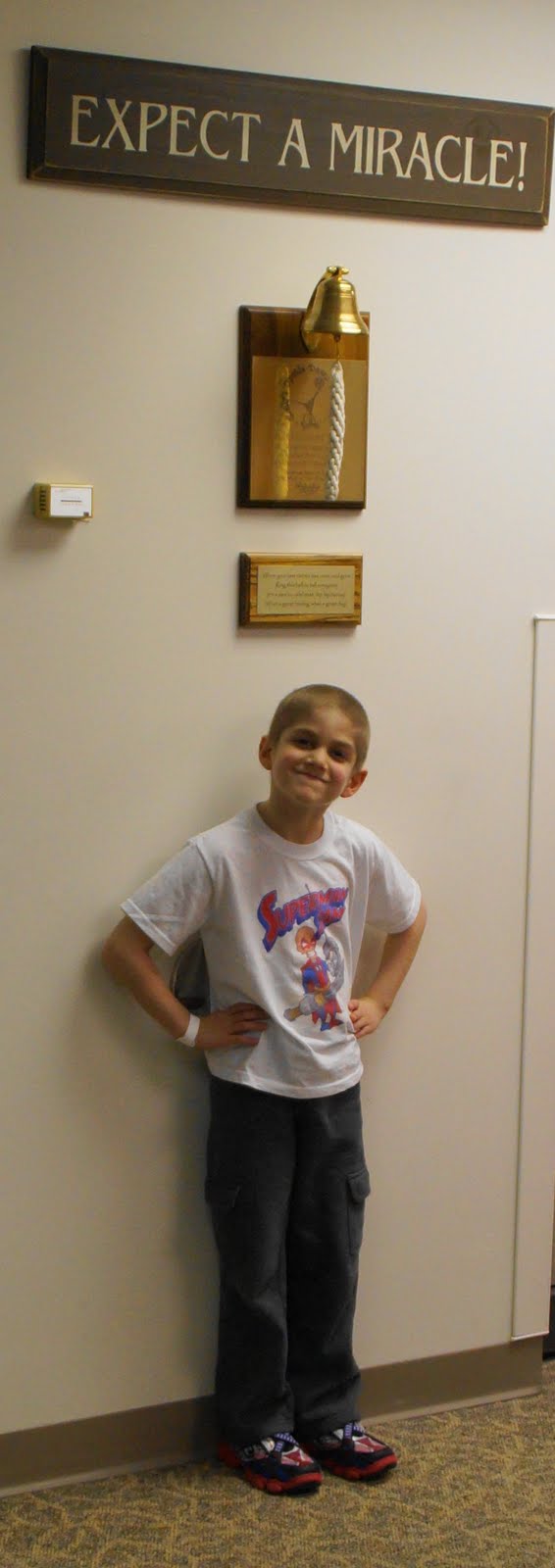
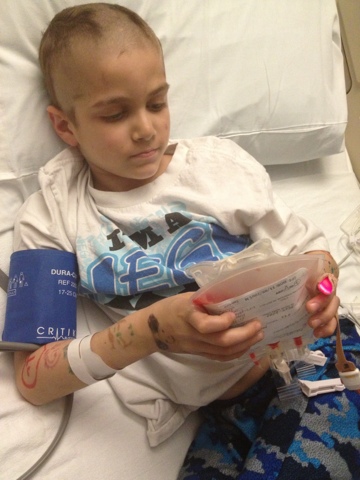
A while back, Rebecca started reading a blog about Superman Sam.  Sam was “a sweet and funny 7 year old with refractory acute myeloid lukemia.” http://supermansamuel.blogspot.com/p/about-sam.html
Rebecca found the posts very moving and started sharing them with me.  Sam was the child of two Reform rabbis Phyllis and Michael Sommer.  Rabbi Phyllis has served a congregation outside Chicago for more than a decade, while Rabbi Michael was “semi-retired” the last year to take care of their son (and other three children) full-time.  He just began as the interim rabbi at another Chicago area congregation.

From the very beginning of their son’s cancer, they blogged.  They wrote of the challenges of treatment, posted photos, and shared poignant insights of their lives.  Filled with numbers, dates, treatments, their writing somehow remained spiritual.  They made their experiences real to so many people, sharing their love, heartache, pain and joy.  We celebrated when his numbers looked good, when his bone marrow transplant seemed to work, when he seemed to be in remission and mourned when his prognosis became bleak.  When he passed away in December, his death rocketed around the Jewish blogosphere, filling my facebook newsfeed.  Many mourned together.

After his death, I thought they might stop writing.  But they didn’t.  I want to share one post with you, from the end of 2013.
On January 4, 2013, Sam rang the bell to signal the end of his treatments.
The first week of 2013.
On March 29th, he was wheeled down the hall for a bone marrow aspirate to confirm what the doctors were pretty sure that they already knew...relapse.
On August 27th, his new stem cells were welcomed into their new home.
On November 12th, another bone marrow aspirate confirmed, yet again, what our doctors were pretty sure that they knew.

 
It just seems so unfair and horrible, so crazy and unbelievable, so inconceivable...
From the fullness of hope in January through the twists and turns of the summer and to the ultimate depths of December...
The year 2013 was a roller coaster. Ups and downs and all arounds.
Stop the world, I want to get off...
In 2013, we lived each minute, each moment. We never took a single bit for granted.
How could we?

I will never ever ever understand.
And yet, I will always be proud of this year. Of the work we did all year long, of everything we did for Sam and for all our children. I will always be proud of the way that we kept Sam healthy and happy, of how we made each day possible and how we never let up in our belief that we would get through this. We flushed those darn lines and we ran that darn micafungen and we washed our hands and we kept him out of the hospital all summer long, through multiple rounds of chemotherapy and bone marrow aspirates and tests and worry and fear…we uprooted our family to live at the Ronald McDonald House and we went to art therapy and music therapy and family dinners…our kids went to camp and school and the library...we went to the museum and the zoo and yoga and pottery, we watched movies and we played games, we played outside and we spent time with friends…we sucked the marrow out of each day, even as his marrow continued to fail him. But we did not fail him. Our doctors did not fail him. We did everything humanly possible from our end and I will always believe that our doctors did the same from their side, to the very best of their medical knowledge. And we still did not get what we wanted.
And I will never ever ever understand.

...So we face 2014...our first year without Sam.
I am paralyzed when I think of all that he will miss. I am overwhelmed and breathless when I imagine the future and he's just not there. Yet I know that we will awaken each day, and we will move forward, even if it feels like we're slogging through a thick fog, even if it feels like we're just moving for the sake of moving, even if it feels like we're faking every moment...we will keep going.

2014, here we come. Be gentle on us, please.\
http://supermansamuel.blogspot.com/2013/12/the-year-that-was.html

In the months to come, they have continued to post pictures, share stories, write of the challenges of returning to their rabbinates, of officiating at funerals in the same cemetery where they buried their son.  They have made tears come to my eyes more times than I can count, and as Rebecca can tell you, I don’t really cry.

Yet, besides their writing, they found another way to memorialize their son.  While he was still in treatment after his relapse, his mother and Rabbi Rebecca Schorr wondered what would happen if

(At the end of October, Rabbis Phyllis Sommer and Rebecca Schorr had a crazy idea: what if) thirty-six Reform rabbis would shave their heads to bring attention to the fact that only 4% of United States federal funding for cancer research is earmarked for all childhood cancers as well as raise $180,000 for this essential research. Two weeks after this conversation, Phyllis and her husband, Michael, learned that their son, Sam, had relapsed with AML (acute myelogenous leukemia) and that there are no other treatment options for him.
36 Rabbis Shave for the Brave. That’s who we are. Thirty-six slightly-meshugene, but very devoted rabbis who are yearning to do something. We couldn't save Sammy; perhaps, though, we can save others like him. And spare other parents like Phyllis and Michael from the pain of telling their child that there is nothing that the doctors can do to save his life.
In the wee hours of 14 December 2013, surrounded by his loving parents, Samuel Asher Sommer, z"l, breathed his last and, on 16 December 2013, was tenderly laid to rest by his beloved family and friends.
The #36rabbis now number more than seventy shavees and nearly two dozen volunteers. We have surpassed our initial goal, but will not stop. Not now; not ever.
http://www.stbaldricks.org/events/mypage/10921/2014


Initially attempting to raise $180,000, they are almost to $700,000 with the current goal being $720,000.  At the CCAR conference, the Reform rabbis conference, 73 rabbis shaved their heads.  73!  Those shaved heads are now all across the country, starting conversations about cancer and childhood throughout the Jewish world.  Every single one of those rabbis will point to superman Sam and his parent’s blog.  That’s a legacy!

As we prepare for Yizkor, as we prepare to remember those we have lost, let us think about how we remember them.  What concrete, physical things do we do?  Do we support the causes they supported?  Do we pray in their name? Do we put their name on the wall of a building, a website, or in our hearts?  Do we do good deeds, take on an extra mitzvah?  Do we spread good will in their name?  Do we come to shul to say Yizkor?   None of these options exclude another.  Each is meaningful in its own right.  As we open our books for Yizkor, I pray that our prayers will lift their souls, will bring our loved ones into the presence of the Holy One, put them in the shelter of Gd, and bring them peace.  Amen.


For more from the Rabbis Sommer:
http://imabima.blogspot.com/
http://abbasababa.blogspot.com/

Chol Hamoed Pesach Shabbat

Rabbi Philip Weintraub
Congregation Agudas Israel
Chol Hamoed Shabbat Passover 2014


Today is a very special day.  It is Shabbat.  It is Passover.  It is Chol Ha-moed.

The term itself is a little strange.  Chol is weekday/secular/NOT holiday and Moed is Festival.  The former has no restrictions on work--we are SUPPOSED to work on Chol, yet MOED is Festival, with all of the accompanying restrictions.  So are the intermediate days of the festival primarily holiday time or primarily week-day time?


One way to ask this question is do we wear Tefillin on Chol Hamoed?  In the Shema, Tefillin are called “Ot”, a sign, that we put on our heads and our arms.  Shabbat and Festivals are also considered signs.  Since we do not need two signs to remind us of mitzvot, we do not wear Tefillin on Festivals or Shabbat.  But what about these intermediate days?  Are sitting in the SUkkah and eating matzah signs?  Most Sephardim do not wear Tefillin on Chol Hamoed.  Many Ashkenazim do.  In Israel today, virtually all Jews do NOT to wear them-regardless of affiliation.  Some Ashkenazim wear Tefillin outside of Israel, but do not say the blessings.  Most Chasidic groups also do not wear Tefillin!

So a simple majority of Jews consider Chol Hamoed different enough from normal weekdays that they do not wear Tefillin, but does that mean that the days are truly holidays and work should be forbidden?

The short answer is, it’s complicated!  The rabbis debate over whether there is a complete work prohibition, and if so, is it from the Torah, or a rabbinically enacted law.  One suggestion that it is a later addition is the fact that there are so many exceptions.

One is permitted to do work on Chol Hamoed:
1) If one will incur a financial loss by refrainging from doing so (davar haaved).
2) For the sake of okhel nefesh. (My addition: meaning food to eat)
3) For an individual need related to the festival, as lon as the melackha is not a maase uman (My addition--meaning it needs a craftsman/professional to do)
4) For the sake of a public need
5) One can hire a worker who has nothing to eat in order to support him. (based on p. 63 of Rabbi David Brofsky’s Hilkhot Mo’adim, Koren/Maggid Press)
http://www.korenpub.com/EN/products/maggid/maggid/9781592643523

Specific examples of prohibited work on Chol Hamoed are laundry and haircuts, yet even with those we have professional exceptions.  Clothing that we are used to changing regularly--ie underwear is permitted to be washed--and if you are already throwing in the wash, you can add other things.  If one is required to shave for work--or customarily shaves daily, than one can shave on Chol Hamoed, too.

With so many exceptions, why bother?


We live in a world that moves very quickly.  When we vacation, we bring our work with us.  When they go to bed, some people even leave their phones under their pillows, so that they can still respond to texts or emails?!  Judaism is a little bit counter-cultural.  It is not a fan of the always-on society.  Our texts and traditions remind us of a very humanly-connected world, but not so electronically connected.  Having a calendar cycle (which we read on every festival), celebrating Shabbat, reminds us that to be always-on isn’t always so good.  Taking time to disconnect and relate personally is important.  While we can have a discussion about how technology can connect us, for example I heard from many people about skyping Seders with distant relatives, much of our devices that beep and buzz can survive being turned off once in awhile.

While I am not suggesting that we take an electronic fast for the entire week of Passover or Sukkot, I wonder what would happen if we cut back a little bit during this time.  What if we played one less game of candycrush or words with friends?  Sent a few less emails?  Took a couple half-days from work.  What would we do with that time?  Would we have a more leisurely Pesadich lunch with our family?  Would we find more time for prayer or meditation?  Would we celebrate our birthdays a little more?  I cannot answer that definitively, but I think this intermediate time is pretty special.

I think Chol Hamoed is one of the neatest things in our Jewish tradition.  In many ways, the rabbis and Jewish tradition are focused on organzing the world, categorizing it.  They would have loved Carl Linnaeus and his taxonomy. They love putting things in neat little boxes.  Chol Hamoed is a challenge, because it just doesn’t fit.  It is neither secular nor festival, neither workday nor Sabbath.  It blurs the lines.  It questions the classifications.  It’s very Jewish!  Just like our Hebrew name, Israel, the one who struggles with Gd, Chol Hamoed is struggling with its identity.  Now what could be more American, more Jewish, more American-Jew or Jewish-American, than someone trying to figure out where they stand??  That is Chol Hamoed.

Shabbat Shalom!